

Your Guide to Generator Maintenance: Plans, Costs, and Tips
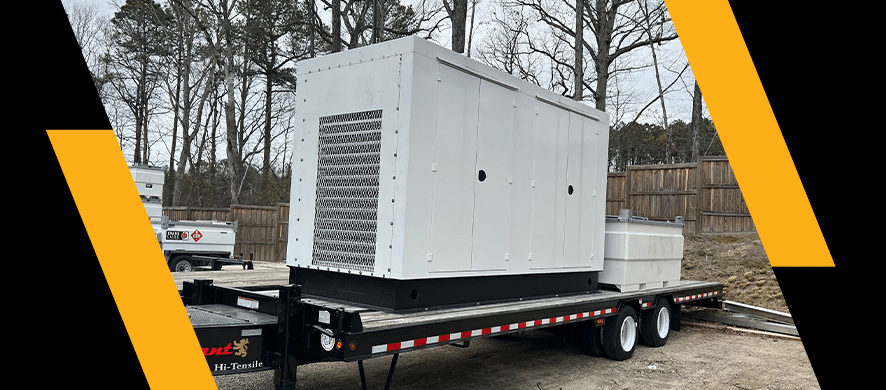
If you are responsible for a commercial or industrial facility, you already know that backup power is not a luxury. It is the safety net under everything you manage. When a storm, grid failure or equipment fault cuts utility power, you expect your generator to start, carry the load, and keep people and processes safe.
Cold temperatures, heavy rain, high winds, and extended outages can expose common failure points such as weak batteries, fuel quality issues, cooling system problems, and unresolved alarms. These issues often go unnoticed—until the generator is needed most.
You know you need structure around generator maintenance. Still, it can be challenging to decide what to include, how often service should happen and how to justify costs to leadership. This article explores how to make generator maintenance plans easier to understand and implement.
What Makes an Effective Generator Maintenance Plan?
A generator maintenance plan is more than a calendar reminder for oil changes. It’s a structured approach that aligns service tasks with how you use your generator in the real world.
In commercial and industrial settings, that usually means a mix of three maintenance approaches. Generator preventive maintenance focuses on scheduled tasks such as inspections, fluid changes and filter replacements at planned intervals. Predictive maintenance uses data from sensors and performance trends to intervene before a failure occurs. In addition, reliability-centered maintenance brings everything together by prioritizing tasks that directly support uptime and safety for your specific application.
A strong commercial or industrial generator maintenance plan is built around a few key variables that control risk and performance. You’ll need to consider the following unique characteristics:
- Generator type and fuel: The type of generator and its fuel source have a significant impact on maintenance needs. For example, a diesel unit serving mission-critical equipment requires close attention to issues such as fuel quality. In contrast, a natural gas unit can be affected by weather and altitude, which can reduce performance if not properly managed. Additionally, natural gas generators are spark-ignited units, which means that they have spark plugs within the engine. Due to this reason, natural gas generators require much more frequent maintenance intervals when compared to their diesel counterparts.
- Load profile and usage pattern: Some generators only run during monthly tests and rare outages. Others support frequent or extended runtimes. Long periods at light load or inconsistent loading can create stress inside the engine and exhaust system, which changes how you plan maintenance.
- Facility criticality and risk tolerance: A data center, a hospital and a light manufacturing facility don’t share the same risk profile, and it’s essential to consider that while planning.
The best generator maintenance plan brings all of these elements together, so service efforts support both day-to-day reliability and long-term equipment health.
Key Components of Advanced Planned Maintenance for Generators
Many facilities are moving beyond basic service and adopting advanced maintenance plans that use technology and data to stay ahead of failures. These plans combine traditional inspections with testing and monitoring tools to provide a clearer picture of generator health.
A proactive generator service helps confirm:
- Reliable starting and battery condition
- Fuel quality and filtration
- Cooling and block heater operation
- Control system status and alarms
- Load acceptance and overall readiness
Inspection and Generator Maintenance Schedule
At the center of any maintenance plan is a consistent inspection schedule. The following elements are common in a solid inspection schedule:
- Visual inspection: Technicians look for leaks, corrosion, loose connections and physical damage that can lead to failures.
- Operational checks: The generator is started and run under controlled conditions to confirm that alarms, gauges and controls respond correctly.
- Fluid and filter service: Oil, coolant and filters are checked at appropriate intervals to protect internal components.
Load Testing and Load Bank Testing in a Generator Service Plan
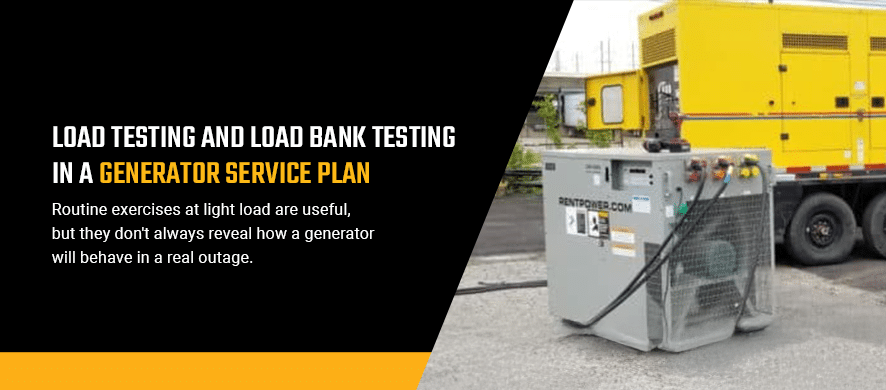
Routine exercises at light load are useful, but they don’t always reveal how a generator will behave in a real outage. Load testing places the generator under actual or simulated load, allowing you to see how it handles real demand.
For site load testing, the generator carries the facility load during a controlled test to confirm that it can support real-world demand. For load bank testing, a portable load bank applies a measured load to the generator. This test is especially helpful when the facility load is not high enough to exercise the unit properly.
Remote Monitoring, IoT Sensors and Digital Recordkeeping
Remote monitoring systems and Internet of Things (IoT) sensors can feed real-time data back to your maintenance team.
Advanced generator service plans often contain the following features:
- Remote monitoring: Performance data such as voltage, frequency, load, temperature and runtime are tracked off-site. Abnormal readings can trigger alerts before a minor issue becomes a major failure.
- Predictive analytics: When you’ve collected enough data, you can analyze trends to predict potential faults. For example, a slow increase in operating temperature or a pattern of low battery voltage may suggest upcoming component issues.
- Digital maintenance records: Electronic logs keep track of every inspection, test and repair. This information helps with compliance, warranty discussions, resale value and long-term performance analysis.
These components transform your servicing from basic generator maintenance checklists into tools for continuous improvement.
Customizing Maintenance Plans for Your Facility’s Needs
No two facilities are identical. A strong commercial generator maintenance plan addresses the specific risks and obligations you encounter daily.
Consider the following examples of facility-specific needs:
- Data centers: Uptime service level agreements often allow very little room for error. Maintenance plans for data centers usually include strict testing routines, remote monitoring and fast escalation paths for any anomaly.
- Hospital and health care facilities: Health care sites must comply with standards such as NFPA 110, which defines requirements for emergency and standby power systems. Maintenance plans must support patient safety and regulatory compliance.
- Industrial and manufacturing sites: Long production runs, heavy motor loads and harsh environments place steady stress on generators. Maintenance schedules must align with production windows and account for runtime intensity.
When you customize generator maintenance plans, you also improve your ability to justify investment. One practical way to think about this is cost avoidance. A well-designed plan can reduce the likelihood of unplanned outages, damaged equipment from poor voltage or frequency control, and emergency repair bills.
Generator Maintenance Cost Breakdown
Understanding the main cost categories makes it easier to compare quotes and choose the best value for your operation.
The following cost elements usually appear in maintenance quotes:
- Labor: This includes technician time for inspections, tests, repairs and travel to and from your site.
- Parts and materials: Budget to replace filters, fluids, belts, hoses, sensors, batteries and other components as they wear or age.
- Monitoring and analytics: Remote monitoring services, IoT platforms and analytics tools may be billed as subscriptions or included in a service package.
- Emergency response services: Some maintenance agreements include priority response or defined response times for emergency calls, which can influence the total cost.
When you review a generator service plan, be sure you understand which tasks it includes, which cost extra and how often key services will occur. The goal is to select a plan that supports reliability and compliance while providing predictable budgeting.
Pro Generator Maintenance Tips for Maximizing Reliability and Lifespan
Facilities that get the most value from their generators tend to follow a few consistent practices.
The following tips can help you increase generator reliability and extend equipment life:
- Commit to consistent maintenance: Staying on schedule for inspections, testing and replacements keeps minor issues from turning into large failures.
- Protect fuel quality and storage: Store diesel and other fuels properly, turn over when necessary and treat as recommended so the generator receives clean, stable fuel.
- Keep clear records and performance history: Detailed logs of tests, repairs and performance trends make it easier to spot patterns and support audits or regulatory reviews.
- Use load bank testing when facility load is low: If your facility rarely places a full load on the generator, regular load bank testing helps ensure that the unit can still deliver rated power when needed.
Choose Woodstock Power for Expert Generator Maintenance Strategy and Support
Managing generator maintenance can feel complicated, especially when you are balancing uptime expectations, regulatory obligations and cost control. You don’t have to handle every detail on your own. A knowledgeable partner can help you design maintenance plans that match your facility’s risk level, equipment mix and long-term goals.
Woodstock Power is headquartered in Philadelphia, Pennsylvania, and operates nationwide across North America. Our team specializes in commercial and industrial power solutions, including the purchase and sale of used generators. We help customers plan for their site’s power needs and support maintenance strategies that keep critical systems running smoothly.
Contact Woodstock Power by calling us at 610-658-3242 or contact us online if you are ready to review your current generator maintenance plan or plan the next step in your power strategy.