

Staying Prepared for a Power Outage in Your Data Center
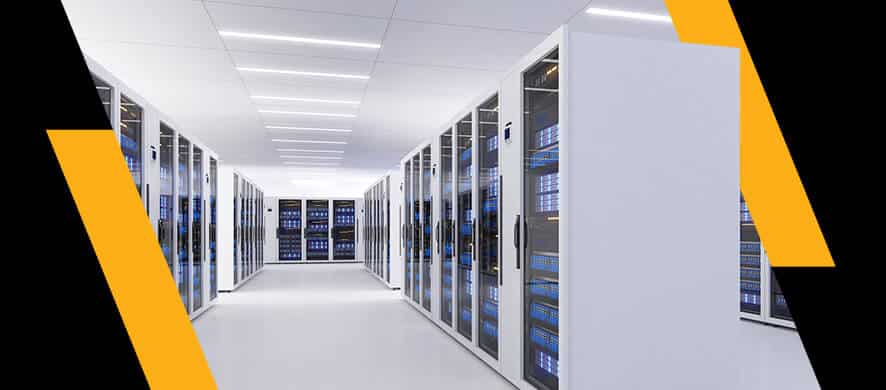
In 2023, data centers accounted for approximately 4.4% of all total electricity consumption in the United States. This consumption is expected to increase to between 6.7% and 12% by 2028, due to industry growth and the rise of artificial intelligence (AI).
This growing demand for power makes data centers increasingly vulnerable. Without sufficient resources, power outages are imminent, leading to downtime, data loss, financial loss and reputational damage. Some external risks, like natural disasters and equipment failure, also pose a problem.
Learn about data center power outages and steps you can take to help prevent them here.
Understanding Data Centers and Power Needs
Data center infrastructure is categorized into different tiers. The higher tiers incorporate the lower-tier requirements. Hyperscale business operations may require higher tiers, requiring more redundancy. Here are the tier differences:
- Tier 1 is the simplest, featuring a single path for power and cooling, and is suitable for office settings. Its expected uptime is 99.671%.
- Tier 2 features redundant components for power and cooling, providing protection against disruptions. Its expected uptime is 99.741%.
- Tier 3 features multiple paths for power and cooling, allowing maintenance and updates without taking the system offline. Its expected uptime is 99.982%.
- Tier 4 is the most complex and has the most redundancy. It’s composed of several independent, physically isolated components. Equipment failures won’t disrupt IT operations. Its expected uptime is 99.995%.
Uptime Institute maintains the Tier Standard and certifies facilities that meet the related requirements. Your data center’s tier can depend on runtime expectations, efficient use of resources, costs and security measures.
Why Data Center Power Matters
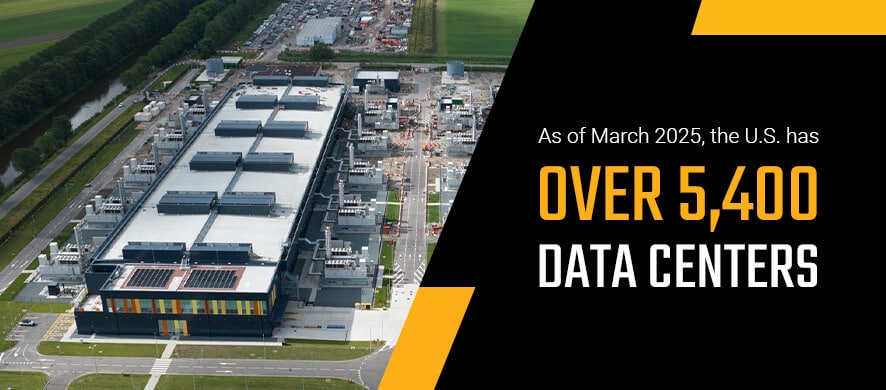
As of March 2025, the U.S. has over 5,400 data centers. These facilities consumed about 17 gigawatts (GW) in 2022, where a large nuclear power plant would only generate about 1 GW. Power issues remain the most common cause of data center outages, resulting in significant costs for businesses.
Uptime Institute’s 2024 survey showed that serious outages cost 54% of respondents over $100,000. Among these respondents, one in five stated that the outage cost them over $1 million. Power outages also corrupt files, cause equipment failures and impact data integrity. The results range from lost customer trust to regulatory penalties.
With adequate power distribution, data centers can maintain continuous operation while fully utilizing the benefits of AI. This continued effort also provides job security, with over 500,000 people working in data centers in 2023. This figure excludes the numerous services, such as e-commerce, social media and cloud storage, that rely on data centers, making reliable power even more of a necessity.
Common Causes of Data Center Power Outages
Understanding why power outages in data centers occur makes it easier to identify prevention strategies. Frequent causes include:
- On-site power failure: On-site power distribution issues can result in outages, as IT equipment requires a stable power supply. In fact, about 45% of a data center’s energy is consumed by IT equipment, including processors, chips and storage.
- Natural disasters: Hurricanes, earthquakes and other natural disasters can lead to outages. They also hinder fuel deliveries essential to backup power supplies.
- Equipment failure: High traffic and continuous activities contribute to an equipment’s wear and tear. This increases the risk of equipment failure, resulting in outages.
- Human error: Misconfiguration and maintenance mistakes increase the chances of outages.
- Cybersecurity threats: Cyberattacks have risen significantly over the past few years, becoming even more sophisticated with AI. These attacks can increase the chances of a blackout.
Reliable Ways to Prevent Data Center Power Outages
Although it’s unlikely that you can completely eradicate outages, mitigating data center power outages is possible. Consider these strategies and tools:
Uninterruptible Power Supply (UPS) Systems
UPS systems serve as a stopgap measure until your system connects to a generator. There are three types:
- Standby UPS: When you plug your equipment into this offline UPS, the equipment receives power directly from the power source. The battery charges while plugged in. When the power goes out, the UPS connects your equipment to the inverter’s output.
- Line-interactive UPS: This UPS operates similarly to a standby UPS, but offers a faster transition to battery power during an outage.
- Double-conversion UPS: This UPS type converts power twice — from AC to DC, then from DC to AC. This results in no transfer time during an outage.
Your equipment wattage determines the ideal UPS capacity. To increase runtime, consider getting a larger capacity or additional battery modules.
Backup Generator Systems
Connecting your UPS to backup generator systems offers more runtime during outages. To determine the right generator capacity, consider the total wattage of all your equipment. The generator type, environmental factors and fuel also play a role.
- Diesel: Diesel generators are durable and versatile. However, they come with Environmental Protection Agency (EPA) tier requirements, so consider your state and local laws when selecting a type. Diesel fuel can be stored, but it also requires more maintenance than other types of fuel.
- Natural gas: Natural gas is a clean-burning fuel, producing the least amount of emissions. Natural gas generators connect to gas pipelines, reducing the need for storage. That said, natural gas can be disrupted during emergencies and routine maintenance, since it’s highly combustible. Natural gas generators also require more maintenance than other generators.
- Dual-fuel: Dual-fuel generators use both diesel and natural gas, switching instantly as needed. This extends runtime through fuel flexibility, reducing reliance on a single fuel source. It also simplifies maintenance and storage requirements.
Power Distribution and Redundancy
Redundancy is the duplication of critical data center components, including UPS systems, backup generators and cooling systems. They enable continuous operations regardless of outages. Consider the following:
- N: N refers to the minimum capacity to power or cool a data center at a full load. A data center that needs four UPS units would have N equal to four.
- N+1: This redundancy offers minimal resilience by adding a single component, whether that’s an HVAC system, a generator or a UPS. The extra component takes on the load when one system is offline.
- 2N: This redundancy model mirrors the original system. An N with four UPS units would have an additional four, totaling eight systems. This lets you take down an entire set of components for maintenance without disrupting your operations.
- 2N+1: 2N+1 adds one component to the 2N architecture for added protection. This architecture model can withstand multiple component failures.
The power distribution unit (PDU) manages and distributes the power across your IT equipment. Power switching between sources is handled by transfer switches, such as automatic transfer switches, helping prevent downtime. These outlets can be controlled locally, remotely, collectively or individually.
Proactive Maintenance and Monitoring
Regular maintenance helps ensure your equipment works as expected. Apart from performing visual and physical checks, you can utilize data center infrastructure management software, which provides predictive failure analysis. This lets you take action as needed before a failure occurs.
Cooling systems also fail, which can lead to overheated servers and damaged equipment. Routine maintenance can help prevent overheating and extend the longevity of your equipment. Additionally, to minimize outages caused by human error, staff training is essential. Your staff should understand your operational procedures and have adequate supervision when needed.
Creating an Effective Power Outage Business Continuity Plan (BCP)
A BCP can help you navigate power outages. Here are some key points to consider:
- Conduct a risk assessment: Risk differs per company. Your BCP should depend on what risks are more likely to occur for your data center.
- Establish emergency response procedures: Develop procedures for resolving power outages, clearly defining roles and responsibilities. Short-term outages can last a few minutes, while longer outages can last for days. Consider the time you’d need to recover and reestablish network connections.
- Perform regular testing and training: Regular simulations help spot potential weaknesses in your processes. They also prepare your staff for emergencies.
Prepare for Power Outages With Woodstock Power
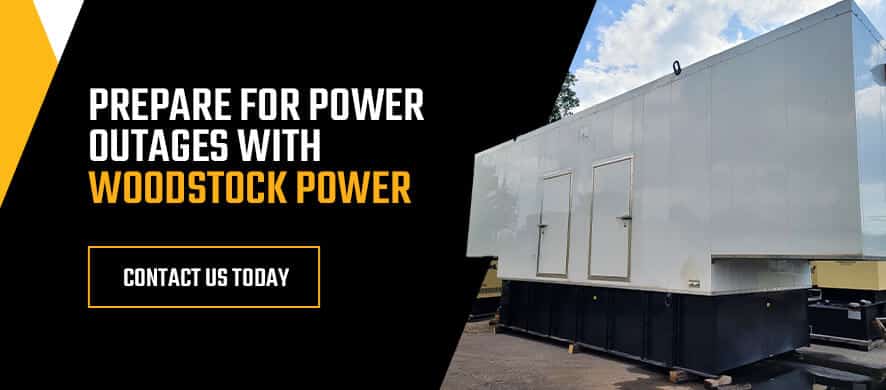
Woodstock Power can help you maintain power with our selection of generators and cooling equipment. As a used generator specialist, we offer a wide array of brands, financing options and installation services.
Wanting continuous, seamless operation shouldn’t be out of reach, regardless of your industry. Whether you’re looking for Kohler, Cummins, Caterpillar or other generators, we can help.
Headquartered in Philadelphia, PA, and operating nationwide, Woodstock Power is here for your business’s needs. Contact us online or call us at 610-658-3242 to get started.