
Retrofitting vs. Replacing Your Backup Generator
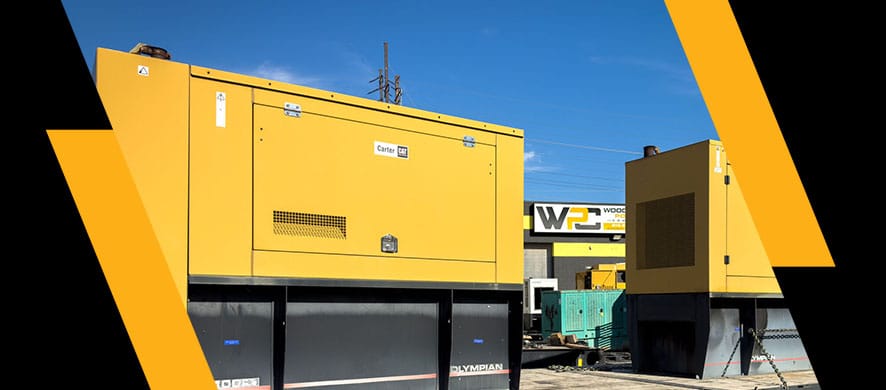
When your backup generator starts showing its age, you’re faced with a critical decision — retrofit or replace? On paper, retrofitting might look cost-effective, but in the power generation business, performance, compliance and uptime drive real value. So, when is generator replacement the right choice? This guide breaks down the pros and cons of each option, with a clear-eyed view on why replacement often delivers the better return, especially for commercial and industrial operations where power reliability isn’t negotiable.
Retrofit or Replace Your Generator: Factors to Consider
When you’re deciding between retrofitting or replacing a generator, start with the fundamentals — performance, compliance, cost and risk:
- Age and hours: Generators have a shelf life. Generally, once they have over 30,000 hours, replacement may often make financial and operational sense.
- Emissions compliance: Older generators often fail to meet the current Environmental Protection Agency (EPA) Tier standards. Retrofitting may bring temporary compliance, but full replacement with newer models ensures long-term viability, especially for standby or prime power applications in regulated industries.
- Downtime tolerance: Retrofitting usually means longer lead times, custom parts and engineering delays. Replacement, especially with in-stock used inventory, gets you back online faster. For mission-critical operations, that’s nonnegotiable.
- Parts and service availability: If the original equipment manufacturer (OEM) no longer supports the model, investing in retrofits can lead to diminishing returns. At some point, replacement is both smarter and practical.
- Operational demands: Power requirements can change. If your facility needs more kilowatts (kW) or load flexibility, it’s often more cost-effective to replace the unit entirely.
- Total cost of ownership: Retrofits can have hidden costs, such as engineering, permitting, recertification and the risk of eventually needing a full replacement.
When to Retrofit a Generator
Retrofitting a backup generator involves modifying or adding components to an existing unit to improve performance, meet regulations or adapt to new operating conditions without replacing the generator’s core engine or alternator. It may include installing after-treatment systems such as diesel particulate filters, adding modern control panels or remote monitoring systems, integrating load management technologies, or modifying fuel systems.
Advantages of Retrofitting
Retrofitting can be more budget-friendly in the short term than buying new equipment. It adds a few more productivity cycles to an otherwise functioning generator and can help older models meet specific local or industry regulations. Customization tailors the unit to unique operational needs, especially in niche industrial applications.
Disadvantages of Retrofitting
Retrofitting requires parts compatibility between new and old components, which often requires custom engineering. Sourcing specialized parts means longer lead times, and doesn’t resolve underlying age, wear or capacity limitations. Additionally, compliance gained through retrofits may not hold if regulatory standards change again.

When to Replace a Generator
Replacement is worth considering when a generator no longer meets operational demands, runs inefficiently or poses reliability risks. Key triggers include:
- Chronic mechanical issues: Consider replacement if you’ve experienced frequent breakdowns, oil or coolant leaks, hard starts, or unexplained load drops.
- Capacity mismatch: If the unit consistently runs above its rated load or no longer fits your current or future power profile, replacement is likely best.
- Support limitations: You’ll need to replace your generator if manufacturers no longer provide parts, software or services for your model.
- Compliance gaps: If you operate in a regulated area and the generator can’t meet new emissions or permitting requirements, you’ll possibly need to replace your unit.
- Operational growth: Consider replacing your generator if your facility has expanded or retooled and the existing unit wasn’t built for the new demand curve.
Replacing a generator doesn’t always mean buying a brand-new unit. It often means sourcing a tested, serviced and load-banked used generator that matches your specs and budget more closely than new equipment.
Advantages of Replacing a Generator
By replacing your generator, you get a machine with improved reliability — fewer service calls, faster starts and more consistent performance. Modern units also align with current standards, ensuring you comply with regulations. Replacement generators offer scalable performance, so it’s easier to match power output with evolving facility needs. A properly tested replacement reduces the risk of unexpected downtime or cascading failures.
Disadvantages of Replacing a Generator
Even used generators are expensive. New installation logistics — such as planning around electrical tie-ins, space and downtime — must also be considered. In some jurisdictions, replacing a generator may trigger new inspections or compliance reviews. New control systems or interfaces also require retraining internal teams. If you’re purchasing a brand new generator from the manufacturer or a certified dealer, you will often have to rely on estimated lead times, which can be long and delay the installation process.
Retrofitting vs. Replacing a Generator: Which Is Better?
Replacement is the right call when reliability, scalability and cost control matter more than extending the life of aging equipment. Choosing a used generator sourced from a reputable supplier can offer serious value without compromising performance. Here are more reasons why you might opt for replacement:
- Downtime is expensive: Retrofitting can tie up your unit for days or weeks. A replacement can be swapped quickly, minimizing lost productivity.
- Warranty coverage: Adjusting or improving an existing generator can potentially void the machine’s warranty. Some warranties have specific repair and replacement clauses, which can limit warranty coverage for those parts.
- Sustainability: Newer, more energy-efficient commercial generators use performance-enhancing technology, offering potentially lower environmental impact than even a retrofitted generator could.
If your generator is fairly new, underutilized and has a strong core, meaning low hours and a well-maintained engine, targeted retrofits like a control panel or fuel conversion can make sense.
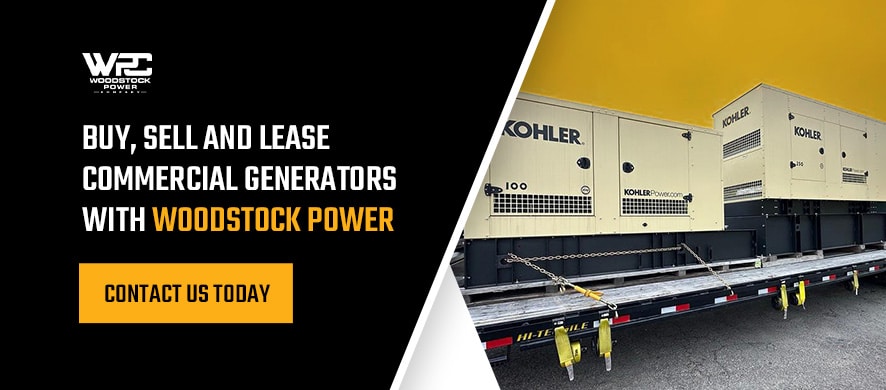
Buy, Sell and Lease Commercial Generators With Woodstock Power
While retrofitting can extend the life of certain generators, it’s often a temporary fix. Replacement offers cleaner integration, fewer maintenance surprises and better alignment with today’s power demands and regulatory standards. In a business where every hour of downtime hits the bottom line, replacing your generator is a strategic move. If you’re unsure which path is right for your fleet, we’re here to help you choose confidently.
At Woodstock Power, we’re committed to providing your business with the right electrical power solutions in North America. We buy and sell used and surplus commercial generators, data center equipment, HVAC equipment and engines. If you’re looking to replace your industrial generators, you’ve come to the right place. Headquartered in Philadelphia, PA, and operating nationwide, our knowledgeable team will help you find a turnkey power solution at a fraction of the original selling price. By partnering with top power equipment experts nationwide, we give you reliable installation, power consumption planning and more.
Contact us today or call 610-658-3242 for assistance finding the replacement generators your operations need.
Follow us on LinkedIn, YouTube, Facebook and X to learn more about commercial generators.